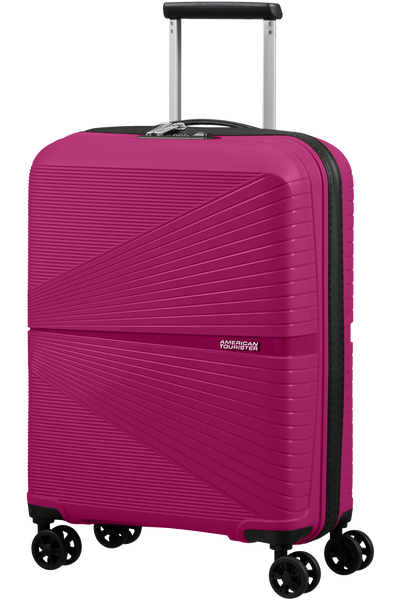
Lightweight cabin luggage
Every gram counts when you're travelling carry-on only, and that's exactly where lightweight cabin luggage earns its place in your travel kit. This range is built to give you maximum packing space without the excess weight, so you can breeze through check-in, skip the baggage queue, and get to the good stuff faster. From nimble 2-wheel uprights to smooth-rolling 4-wheel spinners, there's a lightweight carry-on here for every kind of trip and every kind of traveller. Let's find yours.
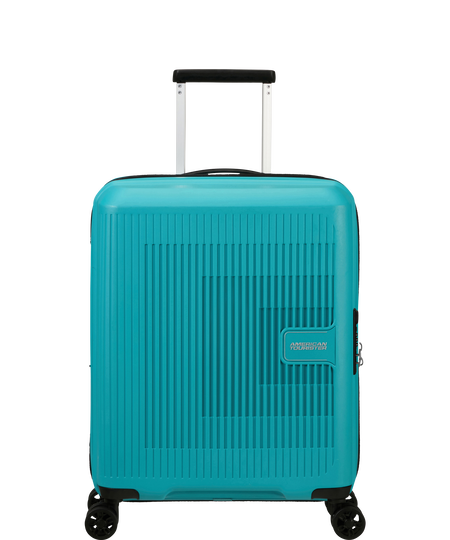

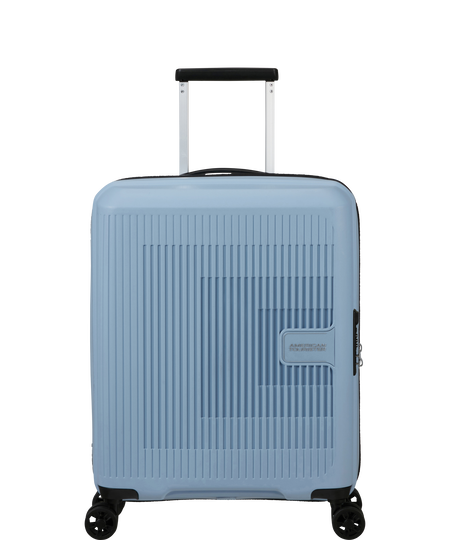

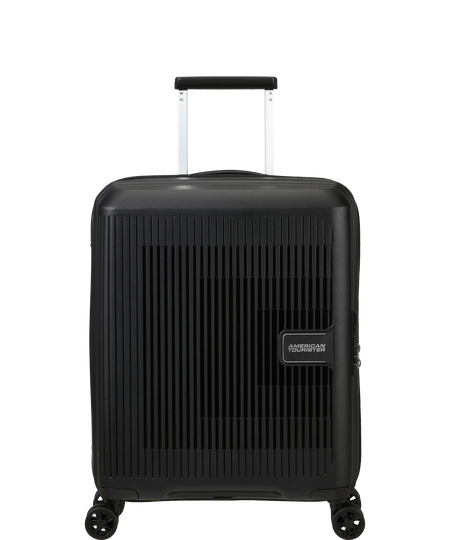

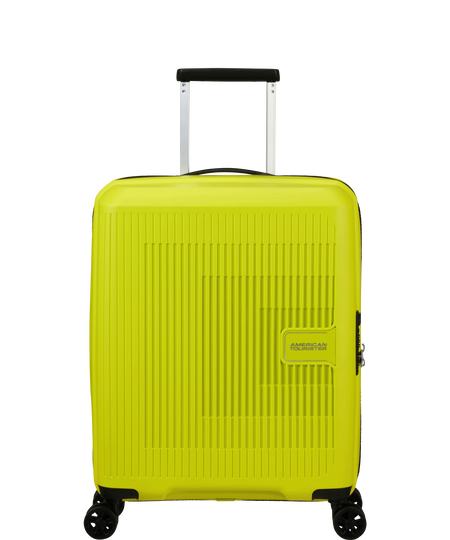

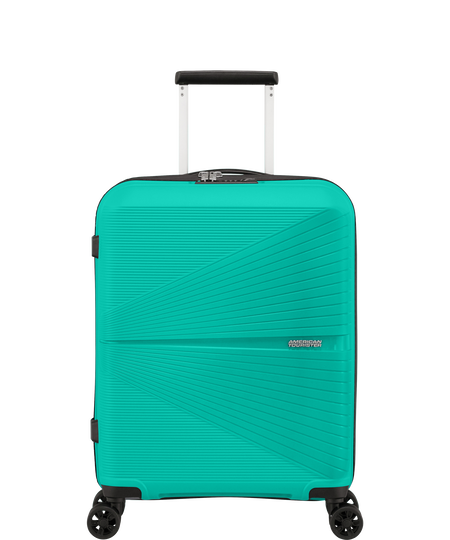


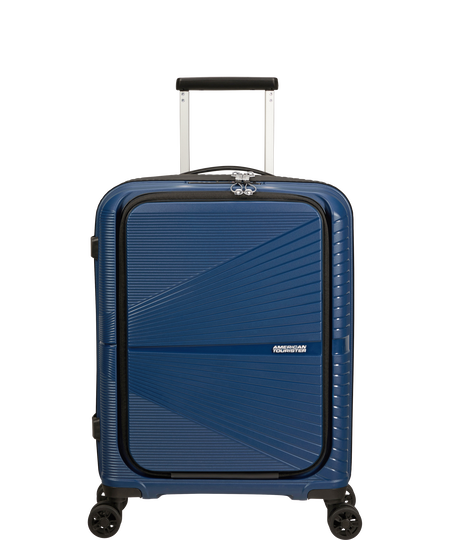
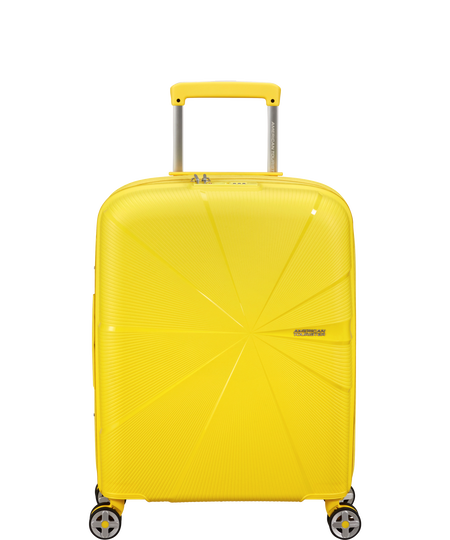


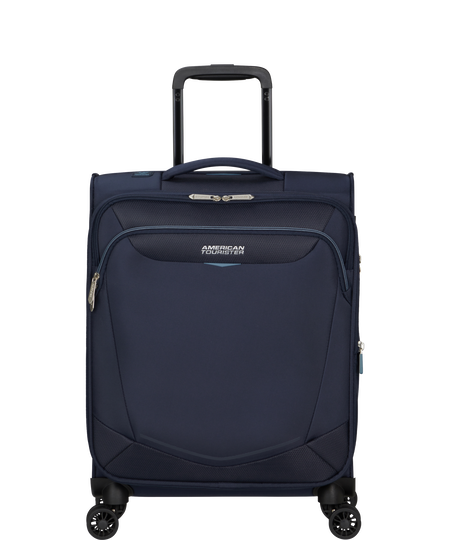


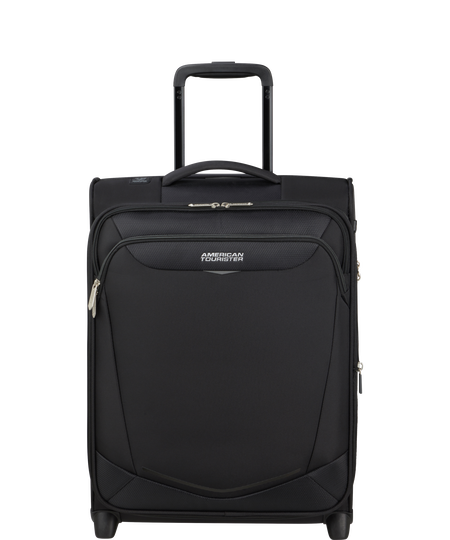
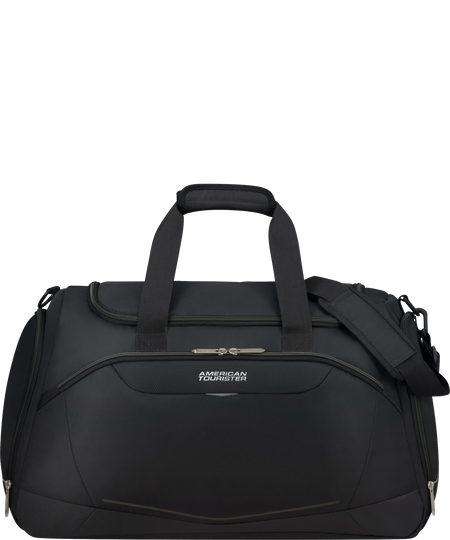

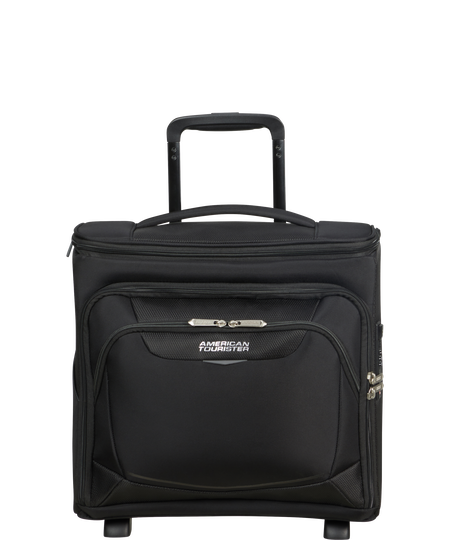
Pack Light, Travel Far. Everything You Need in a Lightweight Cabin Bag
If you're the kind of traveller who likes to move fast and travel smart, lightweight cabin luggage is the single best upgrade you can make to your packing setup. Less weight in the bag means more weight allowance for the things that actually matter, plus easier lifting, less strain, and a much smoother airport experience from start to finish. Here's everything you need to know to find the best lightweight cabin luggage for your travel style.
Why Lightweight Hand Luggage Makes Such a Difference
It might not sound like a big deal, but shaving even a kilogram off the weight of your empty bag can be genuinely game-changing when you're flying carry-on only. Airlines typically allow between 7kg and 10kg for cabin baggage, and that limit applies to the entire bag, not just what's inside it. A heavier case eats into that allowance before you've packed a single thing. Choosing lightweight hand luggage means more of that allowance goes towards your actual belongings, giving you more packing freedom without the stress of hitting the limit at the gate.
Beyond the weight allowance, a lighter bag is simply more comfortable to handle, whether you're hauling it into an overhead locker, carrying it up a flight of stairs, or trekking across a busy terminal. The lightest cabin luggage in the range is designed to be as easy to manage empty as it is when fully packed.
What Makes a Cabin Bag Lightweight? Materials Matter
The weight of a carry-on case is largely determined by the materials used to construct it. In the lightweight cabin luggage range, you'll find cases made from Polypropylene, a hard shell material that's engineered to offer maximum protection at minimal weight. On the softside, polyester constructions bring the weight down even further, making them some of the lightest options available. The trade-off with softer materials is typically in rigidity, softside bags are more flexible but offer slightly less structured protection than their hardside counterparts. Exploring both hardside cabin luggage and softside cabin luggage can help you decide which balance of weight and protection works best for the way you travel.
Lightweight Cabin Luggage with 4 Wheels. Is It Worth It?
Absolutely. One of the most popular choices in the range is lightweight cabin luggage with 4 wheels, and for good reason. A 4-wheel spinner system lets you roll your bag in any direction without any effort, making it far easier to navigate busy airports, long corridors, and tight spaces. Because you're not pulling or tilting the bag, your arm and shoulder take far less strain, especially useful on longer travel days. The multidirectional wheels on spinner-style lightweight cases are designed to glide smoothly across airport floors and hard surfaces, which means you barely notice the bag is there. If you do a lot of airport time or frequent flying, a 4-wheel spinner is almost always the more comfortable choice over a 2-wheel upright.
That said, 2-wheel uprights are also available in the lightweight range and come with their own advantages, they tend to perform better on uneven terrain and rougher surfaces where spinner wheels can sometimes struggle to track straight.
Understanding the 55x40x20 Dimension for Lightweight Cabin Luggage
When searching for lightweight cabin luggage 55x40x20, you're looking for one of the most commonly cited size guidelines for carry-on travel, and it's a dimension that many airlines use as their maximum permitted cabin bag size. However, it's worth knowing that not all airlines use exactly the same dimensions, and some are more generous while others are stricter. The 55cm cases in this range sit within the standard carry-on size bracket used across many European airlines, but it's always essential to check the specific policy of your airline before travelling, as size limits can and do vary. Always measure your bag with the wheels and handle included, as most airlines count the total external dimensions.
For bags designed with specific airline sizing in mind, the dedicated Ryanair hand luggage, easyJet hand luggage, and British Airways hand luggage pages are worth exploring alongside this range.
What to Look for When Choosing the Best Lightweight Cabin Luggage
Finding the best lightweight cabin luggage for you isn't just about picking the lightest option on the shelf, it's about finding the right balance of weight, features, and durability for how you actually travel. Here's what to consider:
- Empty weight: Always check the product page for the bag's stated weight. Even a few hundred grams' difference between two similarly sized bags can matter when your airline weight limit is tight.
- Wheel configuration: 4-wheel spinners offer effortless gliding across smooth airport floors; 2-wheel uprights are more stable on rougher ground. Think about where your travels most often take you.
- Expandability: Some lightweight carry-on options in the range include an expander function, which lets you increase the internal volume when you need a bit more room. Bear in mind that expanding the case will add to its overall dimensions, so check your airline's rules before using this feature.
- Hard or soft shell: Hardside lightweight cases offer better impact protection; softside lightweight bags offer more flexibility and often external pockets for easy access. Neither is universally better, it comes down to what you're packing.
- Carry options: Beyond wheels, look at the top and side grab handles. A sturdy grab handle makes all the difference when lifting your lightweight carry-on luggage into an overhead locker.
Lightweight Cabin Bags Beyond the Suitcase
Not every lightweight cabin option in the range is a wheeled suitcase. If your travel style calls for something a bit more flexible, the range also includes lightweight duffle bags that can be carried as hand luggage. These are particularly useful for shorter trips, city breaks, or situations where you want a bag that works just as well on the ground as it does on a plane. For even more compact options designed to stow under the seat in front of you, explore the underseater luggage & bags range.
Explore More Cabin Luggage
- All cabin luggage – the full carry-on range, every style and size
- Hardside cabin luggage – rigid protection with that smooth, structured look
- Bestselling cabin luggage – the carry-ons customers love most, tried and tested
FAQ
What is considered lightweight for cabin luggage?
There's no single universal definition, but lightweight cabin luggage is generally considered to be any carry-on bag that weighs around 1.5kg to 2.5kg when empty. The lighter the empty bag, the more of your airline's cabin weight allowance you can use for your actual belongings. Most airlines cap cabin baggage at between 7kg and 10kg total – so a bag that weighs 3kg before you've packed a thing leaves you significantly less room than one that weighs under 2kg. When browsing the range, always check the individual product page for the stated empty weight, as this varies between styles and materials. Polypropylene hardside cases and Polyester softside bags tend to be among the lightest constructions available.
Is lightweight cabin luggage less durable than heavier options?
Not necessarily, and modern lightweight luggage has come a long way in proving that lighter doesn't mean flimsier. Advances in materials like polypropylene have made it possible to build a cabin bag that is genuinely tough and impact-resistant while still being significantly lighter than older ABS or aluminium constructions. The key is in how the bag is engineered, not just what it weighs. That said, it's fair to say that the very lightest softside cabin bags, made from nylon or polyester, will offer less rigid protection than a hardside case of similar weight. If you regularly pack fragile items, a lightweight hardside option might be a better fit than the absolute lightest bag in the range.
Can I use lightweight cabin luggage as an everyday bag?
Absolutely, and many travellers do exactly that, particularly with softside lightweight cabin bags and duffle-style options that sit alongside the wheeled range. A lightweight cabin bag is a practical companion for commuting, day trips, gym visits, or any situation where you need a spacious, easy-to-carry bag. Wheeled lightweight cases are perhaps less suited to everyday city use than softer options, but they work brilliantly as go-to weekend bags for short breaks and overnight stays. If you're looking for something that genuinely bridges the gap between travel bag and everyday bag, exploring the full backpacks & bags range alongside lightweight cabin luggage is a great idea.
How do I pack a lightweight cabin bag to make the most of the space?
Packing smart is just as important as picking the right bag, especially when you're travelling carry-on only. A few tips to get the most out of your lightweight carry-on luggage: roll clothes instead of folding them to reduce bulk and minimise creasing; use packing cubes to compress and organise your items into neat sections; pack heavier items like shoes close to the wheels so the bag stays balanced when rolling; and save any external pockets for essentials you need quick access to during the journey, like your passport, headphones, or a snack. If your bag has an expander function, try packing without it first, you might be surprised how much fits in the main compartment when you pack efficiently. Keeping the bag within its non-expanded dimensions also ensures it meets your airline's carry-on size limits without any last-minute stress at the gate.