All Bags
The right bag can make or break a trip, and not just the big ones. Whether you're packing for a couple of nights away, heading to work with your laptop in tow, or exploring a new city with just the essentials, what you carry shapes how smoothly the whole thing goes. From roomy carries to compact everyday styles, this collection covers bags for however you like to move. Have a browse, work out what your next trip actually needs, and go from there.








Your Next Adventure Starts With the Right Bag
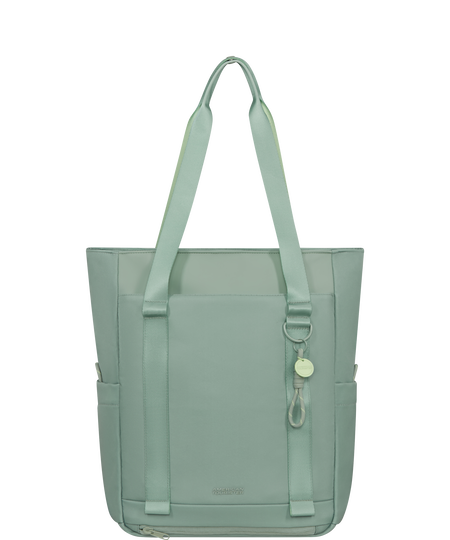
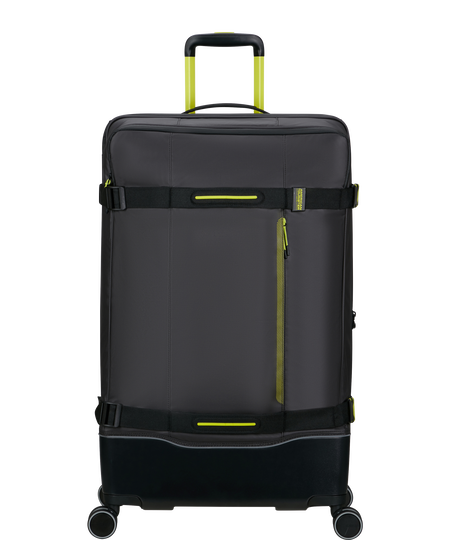
Not all bags are created equal, and the best one for you really depends on where you're going, what you're carrying, and how you like to travel. A roomy, soft-sided style is brilliant for a couple of nights away but total overkill for a day of city sightseeing. A compact one keeps your essentials close but won't get you through a three-day trip. That's why it helps to think about the journey first and the bag second, so you end up with the right one for the occasion, every single time. This collection brings together styles for all of it, from generous carries to slim everyday picks.
Short Trips: Room to Pack, Freedom to Move
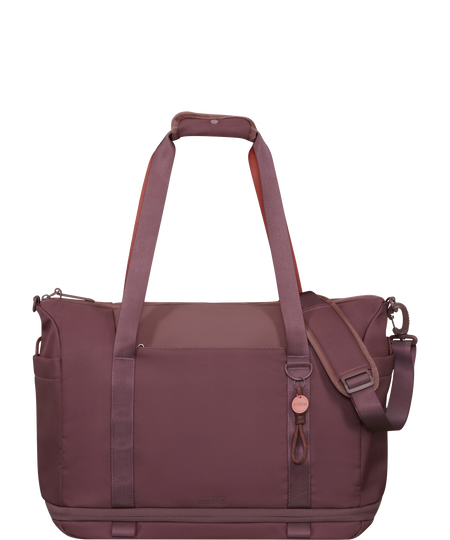
Packing for two or three days is a bit of an art form. You need space for clothes, toiletries, a charger and maybe a spare pair of shoes, without the whole thing turning into its own logistical challenge to haul around. Soft-sided bags are the natural fit here. They're flexible, they squeeze into car boots and train luggage racks that rigid cases can't manage, and they feel far more relaxed than wheeling out a full-size suitcase for a couple of nights. Whether you're off to a friend's place, doing a quick city break or heading somewhere for a few days, the right one takes the faff out of the whole trip. Have a look at our duffle bags for spacious, flexible styles built for exactly this kind of journey.
Work and Commuting: Your Tech, Sorted
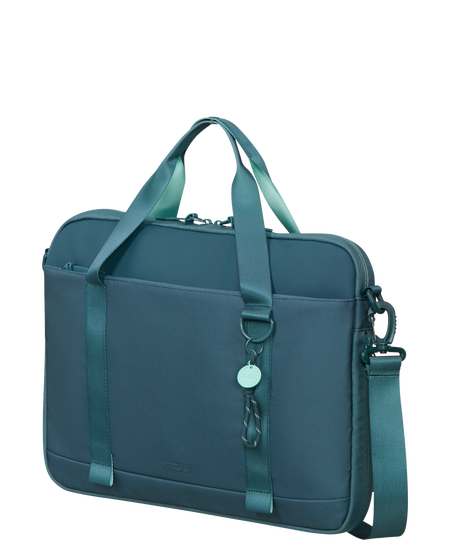
Work travel has its own packing logic. Your laptop needs protecting, your documents need to be reachable, and everything else needs to be organised enough that you can walk into a meeting straight off the train without missing a beat. A good work bag keeps your tech safe and your daily kit in sensible order, whether you're crossing the city every morning or catching an early flight to a client. The best ones move between professional settings and transit without you having to think about it at all, which is really the whole point. Explore our laptop bags for styles designed with that kind of day in mind.
Days Out and Exploring: Hands Free, Head Clear
Sometimes the best bag is the smallest one. When you're out discovering a new place, on your feet from morning until late, or just running errands without wanting anything to slow you down, something compact that keeps your phone, cards and keys within reach is genuinely hard to beat. This kind of bag is a travel essential in its own right: your go-to on holiday, your companion through busy markets and stations, and your lightweight option on any day when something bigger would only get in the way. Slings, mini styles and shoulder bags all live in this space, each keeping things close without adding bulk. Take a look at our cross body bags for compact, hands-free picks made for exactly this.
Under the Seat: Everything Within Reach Mid-Flight
There's one more category of bags that rarely gets top billing but earns its keep on travel days: the underseater. These are styles built to slot neatly under the seat in front of you, so your book, headphones, charger and snacks stay within reach for the whole flight and you're not standing up every twenty minutes to raid the overhead locker. With many airlines they also count as your personal item, which means you bring everything you actually need without adding baggage costs. They work brilliantly alongside a bigger bag or a suitcase, pulling exactly the things you'll use in transit to the front. Browse our underseater bags and backpacks for styles built to do just that.
Still Deciding? Here's the Short Version
A quick way to narrow it down:
- Away for a night or two? A roomy, soft-sided duffle bag is your best mate. Loads of space, flexible, easy to carry.
- Travelling for work or commuting with a laptop? A proper laptop bag keeps your tech protected and your day running.
- Heading out with just the essentials? A compact cross body bag keeps everything close and your hands completely free.
- Want it all in one place? The full backpacks and bags collection has every style together, straps and all.
Most people end up with two or three travel bags on rotation rather than one that does everything, and honestly that's the smart move. Something roomy for short trips, something built for work and something small for days out will cover almost any journey you throw at them.
FAQ
What type of bag is best for travelling?
There isn't one that wins every time, which is genuinely good news because it means you get to choose based on your actual plans rather than someone else's rules. Start with how long you're going for, since that sets your space requirement more than anything else. Then think about how you'll be getting around, because something you carry by hand behaves very differently to something you wear across your body when you're navigating busy streets or standing on a packed train. Finally, consider what you're protecting: laptops and tech want padding and structure, while clothes are far more forgiving. Answer those three things and the right style usually becomes obvious.
How many bags can you take on a plane?
This varies between airlines and ticket types, so it's always worth checking the specific policy of the carrier you're flying with. Budget carriers in particular have tightened their rules in recent years, and what was included as standard a few years ago is now often tied to a paid fare option. Size limits matter just as much as the number of bags, since a bag that's within the allowance on one airline can be over it on another, and the dimensions are usually measured including handles and wheels. If your bag doesn't fit within the stated limits, you'll need to check it in, which typically costs more at the airport than it would have online. A quick look at your airline's baggage page before you pack takes two minutes and saves a lot of hassle at the gate.
What size bag do I need for a few days away?
Bag sizes are usually given in litres, which sounds a bit abstract until you translate it into actual days. As a rough guide, anything under 20 litres is a day bag for essentials, 20 to 35 litres covers an overnight or two-night trip, and 35 to 50 litres will comfortably see you through three or four days. Beyond that you're into longer-trip territory where a suitcase often makes more sense. The honest advice is to size down rather than up if you're torn between two, because a bag that's slightly too big just invites you to fill it, and then you're carrying weight you never needed. Also worth remembering that soft-sided styles have a bit of give in them, so a well-packed 30-litre bag holds more than the number suggests.
What's the difference between a cross body bag and a sling bag?
They're close cousins, and the names do get used interchangeably, but there is a real difference in how they sit and how you use them. A cross body bag hangs from a longer strap and rests at your hip, which makes it easy to reach into while you're walking and keeps it comfortably out of the way. A sling bag sits higher and tighter against your chest or back, and the strap is usually designed so you can swing it round to the front without taking it off at all. That makes slings especially handy when you want quick access to your phone or ticket in a crowd, while a cross body tends to feel more relaxed for longer days out. Both keep your hands free, so it really comes down to which position feels more natural to you.
How do you pack a soft bag so nothing gets crushed?
Soft-sided bags don't hold their shape the way a hard case does, so the trick is building your own structure as you pack. Start with the heaviest and bulkiest items at the bottom, shoes and chunky knits included, so they form a stable base rather than landing on top of everything else. Roll your clothes instead of folding them, which saves space and leaves you with far fewer creases when you arrive. Anything delicate should go in last, sitting on top where nothing presses down on it, and small gaps around the edges are perfect for socks, chargers and other odds and ends. Finish by keeping the things you'll want first, like a toothbrush or a jumper for the journey, in an outer pocket so you're not unpacking everything to find them.