How to Travel Europe Without the Financial Hangover
Europe is calling, and no, you don't need a bottomless bank account to answer. Whether you're island-hopping in Greece, café-crawling in Vienna, or getting wonderfully lost in Lisbon's backstreets, travelling smart means seeing more, spending less, and coming home with stories worth telling. Here's everything you need to know.
Plan Smart Before You Go
Travelling spontaneously is great. Travelling spontaneously with zero prep? That's how you end up paying €18 for a sandwich near the Eiffel Tower. The secret to travelling smarter? It all starts before you've even touched your suitcase. A bit of planning now means more adventures later, and a lot less "why didn't I think of that?" moments at the airport.
Choose Your Destinations Wisely
Europe's most iconic cities will always deliver. Yes, Rome is incredible. Yes, Barcelona is iconic. But some of Europe's best cities are the ones you haven't Googled yet. And your money goes a whole lot further when you look beyond the obvious. These cities are every bit as exciting, beautiful, and culturally rich as the big names, just without the eye-watering price tags:
- Kraków, Poland: Stunning medieval architecture, a buzzing food scene, and nights out that cost a fraction of Western Europe. Seriously underrated.
- Budapest, Hungary: Grand thermal baths, jaw-dropping river views, and some of the best ruin bars on the planet. Big city energy, small city prices.
- Ljubljana, Slovenia: Europe's most underrated capital that looks like a fairy tale but won't cost you like one.
- Tbilisi, Georgia: An extraordinary food scene, ancient churches, and a daily budget that stretches so far it almost feels like cheating.
- Kotor, Montenegro: a walled medieval city on the Adriatic coast that looks like something out of a fantasy novel, with prices that reflect how under-the-radar it still is.
- Timișoara, Romania: vibrant, colourful, culturally rich, and was actually European Capital of Culture in 2023, yet most travellers still walk straight past it.
- Ghent, Belgium: All the charm of Bruges, none of the tourist crowds. Medieval canals, great beer, and brilliant street food.
- Novi Sad, Serbia: A vibrant student city with a thriving arts scene, incredible local food, and prices that'll make your jaw drop.
- Plovdiv, Bulgaria: One of Europe's oldest cities, a colourful old town, and a cost of living that feels almost unreal in the best way.
The beauty of Europe? You can mix and match as much as you like. Pair a classic capital with a hidden gem, or go full off-the-beaten-track. There are no rules, just adventures waiting to happen.
Time Your Trip Right
July and August are peak season: peak crowds, peak prices, peak "I can't believe how busy this is." Travelling in May, June, or September is one of the smartest moves you can make. The weather is still great, the queues are shorter, and flights and accommodation are noticeably cheaper. Your future self will thank you.
A few more timing tricks worth knowing:
- Avoid big events: Oktoberfest, King's Day, major music festivals. If you're not there for the event, you're just paying event prices for a very crowded city. Check local calendars before you book.
- Go mid-week: hotels drop in price just as much as flights do. A Thursday-Sunday city break will almost always cost less than the same trip over a weekend.


How to Score the Best Flight Deals
A few simple habits that make a real difference:
- Set up Google Flights price alerts: it tracks prices for your route and notifies you the moment fares dip, so you never miss a deal
- Fly mid-week: Tuesday and Wednesday flights are almost always cheaper than weekend departures
- Be flexible with airports: flying into a secondary airport can save a surprising amount. Think Brussels South instead of Brussels, or Milan Bergamo instead of Milan Malpensa
- Watch those baggage fees: budget airlines like Ryanair and EasyJet can look incredibly cheap until the add-ons kick in. More on beating those fees later
Getting around Europe on a budget
Here's something that doesn't get nearly enough credit: Europe is an absolute dream to get around. An insane rail network, budget airlines connecting cities for the price of a pizza, and buses that'll take you from one country to another while you sleep. The hardest part isn't getting around, it's choosing how. Here's what you need to know before you book anything.

Budget Airlines, Trains & Buses. Let's Break It Down
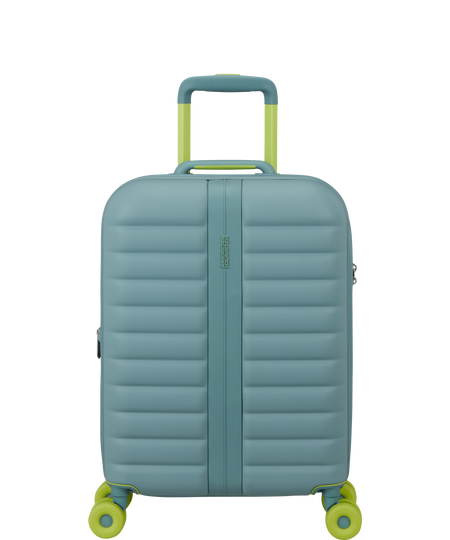
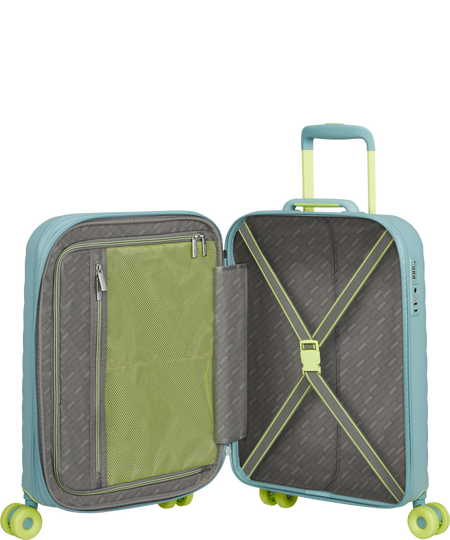
Budget airlines are hard to beat for longer hops across Europe. When booked early, you can fly from London to Rome for less than a taxi ride home. The catch? Baggage fees. A "cheap" flight can quietly double in price the moment you add a checked bag. The smart move is travelling carry-on only, and making sure your bag actually meets your airline's size requirements.
The good news? On our website, cabin luggage is already sorted by airline, so finding a bag that fits Ryanair or EasyJet's rules takes seconds, not an afternoon of Googling.
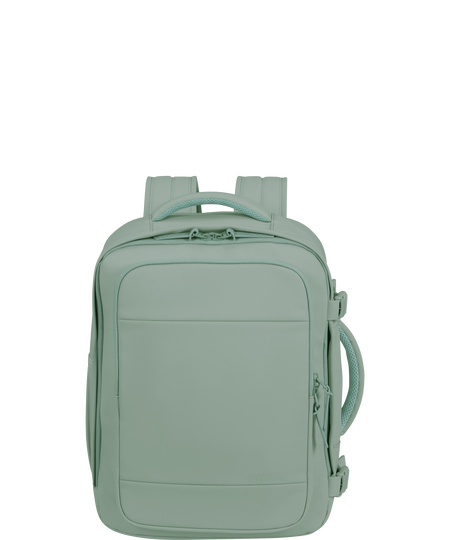
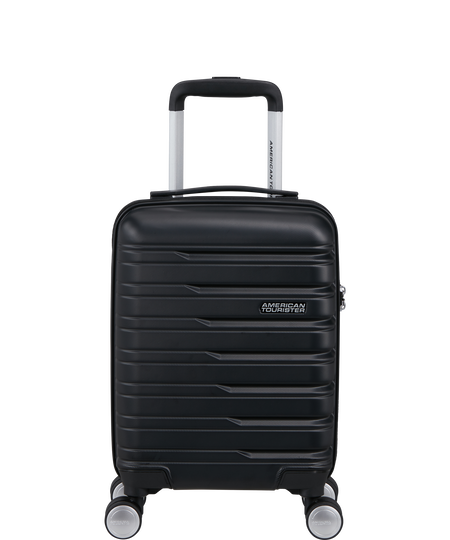

Trains are where Europe really shows off. City centre to city centre, no security queues, and some of the most jaw-dropping scenery you'll ever see from a window seat. They're not always the cheapest option, but book in advance and the prices become very reasonable. Planning a multi-country trip? Look into an Interrail pass, it can be a game changer.
Buses are the unsung heroes of budget European travel. Services like FlixBus connect hundreds of cities for next to nothing, and overnight routes mean you travel while you sleep, saving on accommodation at the same time. Slowest of the three? Yes. But when the price is right, you won't care.
Where to stay without blowing your budget
Where you sleep doesn't have to drain your budget, or your soul. The days of choosing between a dodgy hostel and an overpriced hotel are long gone. Today's options are varied, flexible, and exciting. Here's how to find the right fit.
Hostels, Apartments & Beyond
Gone are the days of paper-thin walls and mystery bunk mates. Modern hostels have had a serious glow-up. Many now offer private rooms, rooftop bars, free walking tours, and social spaces that make it genuinely easy to meet people. If you'd rather have your own space, short-term apartments give you a home away from home, often with a kitchen that'll save you a fortune on meals.
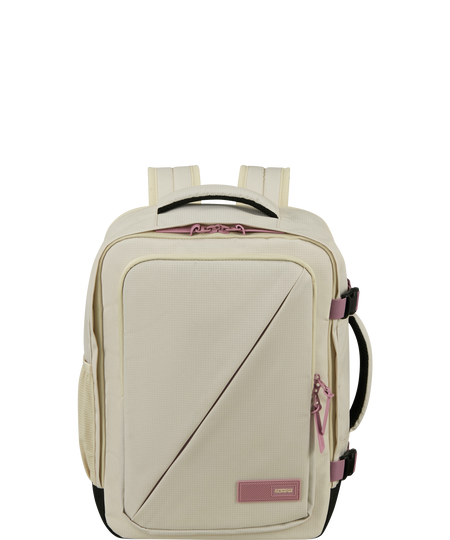
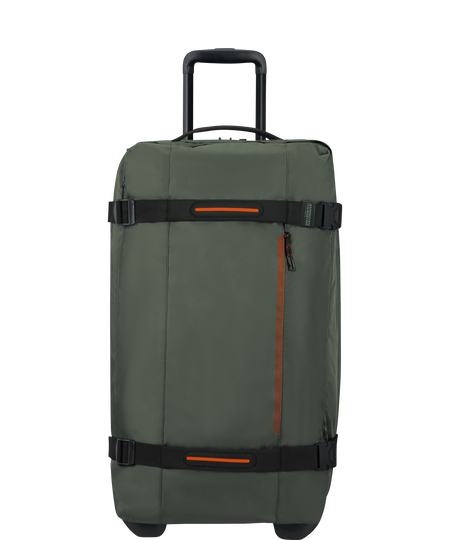
One practical tip: if you're moving between cities quickly or staying in hostels, consider swapping your suitcase for a duffle bag. Easy to sling over your shoulder & effortless up hostel stairs, whether you're navigating the London Underground with a hangover or sprinting through Rome's cobbled backstreets.


Best Booking Platforms for Budget Travellers
Finding a great deal used to mean hours of tab-switching and second-guessing. These days, the right platform does the heavy lifting for you. The key is knowing which one to use and when. Here are the ones actually worth knowing:
- Booking.com: the obvious one, but the filter options are brilliant for finding hidden budget gems
- Hostelworld: the go-to for hostel bookings, with genuine reviews from fellow travellers
- Airbnb: great for longer stays or groups where splitting an apartment makes financial sense
- Omio: combines trains, buses, and flights in one search, perfect for planning multi-city routes
- Hoteltonight: last-minute hotel deals that are genuinely impressive, ideal for spontaneous travellers
- Workaway: stay for free in exchange for a few hours of work per day, perfect for longer trips
Eat Like a Local, Spend Like a Student
Here's the single most important food rule for budget travel in Europe: if the menu has photos and is translated into five languages, walk away. The best food is almost always found one street behind the main square, in the place with handwritten specials and a queue of locals out the door. Trust the queue. Always trust the queue.
Markets, Street Food & Supermarket Secrets
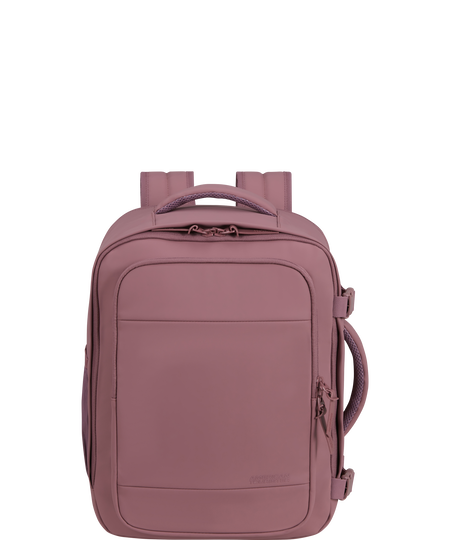
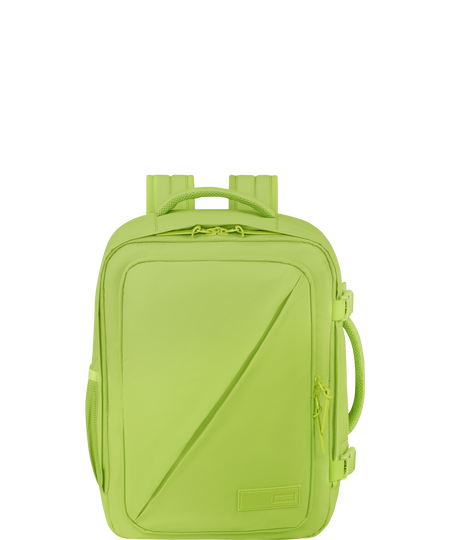
Some of the best meals in Europe don't happen in restaurants at all. Local food markets are a goldmine of fresh produce, regional specialities, and street food that costs next to nothing. Wander, explore, and eat your way through. Just make sure you've got your hands free and your belongings secure. A backpack or cross body bag keeps everything safe while you navigate the crowds.
Don't forget the local supermarkets either, they’re brilliant for regional cheeses, fresh bread, and local wine, perfect for picnics in the park or long train journeys.
The Lunch Menu Hack That'll Save You a Fortune
Across Southern Europe, restaurants offer a fixed lunch menu that most tourists completely overlook. In Spain it's the menú del día, in France the formule, in Italy the menu fisso. Typically two or three courses, bread, and a drink for between €10 and €15. The same restaurant will charge double at dinner. Go for lunch, eat brilliantly, and save the dinner budget for somewhere really special.

Pack Light, Travel Further

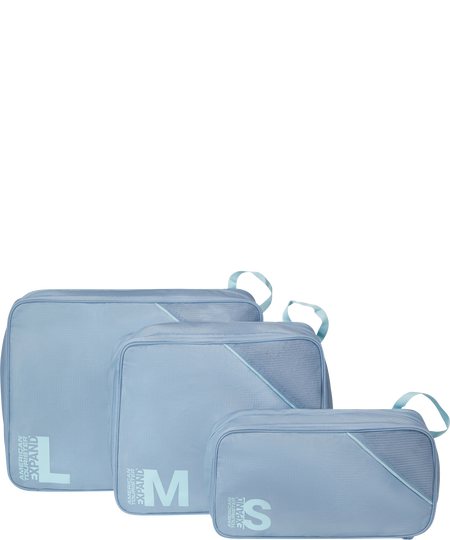
Packing light isn't just about travelling with less, it's one of the smartest budget moves you can make. Skip the checked bag and you instantly dodge airline fees that can add up to more than the flight itself. No waiting at baggage reclaim, no lugging a heavy case across cobblestone streets, no "why did I pack this?" moments halfway through the trip.
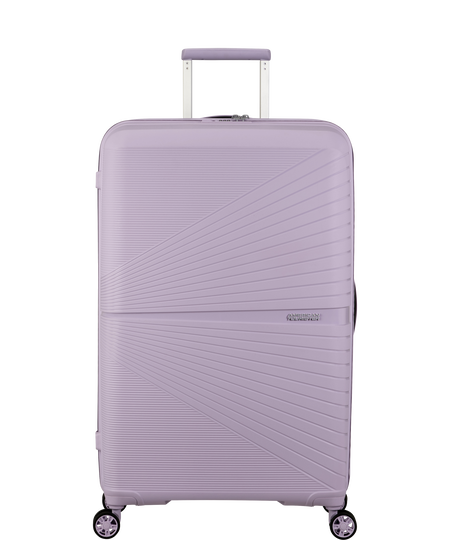
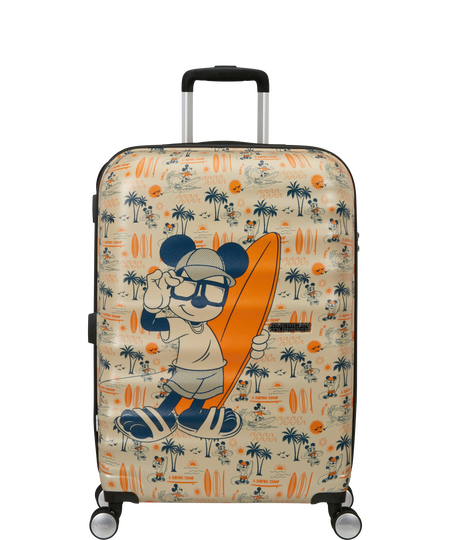
The secret most people miss? The weight of your bag matters just as much as what's inside it. A heavy suitcase eats into your luggage allowance before you've packed a single thing. Choosing a lightweight suitcase for longer trips means every gram works in your favour, more clothes, more shoes, more of the things you actually want to bring.
For shorter trips and city breaks, lightweight cabin luggage is the ultimate travel companion. Carry-on only means no fees, no waiting, and no chance of your bag ending up in a different country than you. Once you go carry-on only, it's very hard to go back.
Free Things to Do Across Europe
Europe's best experiences don't always come with a price tag. A few things worth knowing:
- Free museums: more than you'd think. Many major museums across Europe offer free entry on specific days, for certain age groups, or year-round for their permanent collections. Always check the museum's website before you book a ticket, you might be pleasantly surprised.
- Parks & public spaces: Europe's squares, gardens, and waterfronts are destinations in their own right. Picnic in the Vondelpark in Amsterdam, watch the sunset from Montjuïc in Barcelona, or wander the banks of the Danube in Budapest. Free, beautiful, and genuinely memorable.
- Free walking tours: arguably the best travel hack nobody talks about enough. Tip-based, led by locals, and packed with stories you won't find in any guidebook. Search "free walking tour" and your destination, almost every major European city has one.

Managing Your Money on the Road

The last thing you want on a trip is to spend more than you planned, not because of bad decisions, but because of sneaky fees, dodgy exchange rates, and habits nobody warned you about. A little financial savvy goes a long way. Here's what actually makes a difference:
- Get a Wise N26 or Revolut card before you go: Spend abroad in local currency with no foreign transaction fees and real exchange rates. Your high street bank, on the other hand, will quietly take a cut every single time. Don't let it.
- Never exchange money at the airport: we cannot stress this enough. Airport currency exchange rates are, frankly, an insult. Withdraw cash from a local ATM when you arrive instead, and use your Wise, N26 or Revolut card wherever you can.
- Track your spending: apps like Trail Wallet or TravelSpend let you set a daily budget and track every euro, zloty, and kuna in real time. No more "where did all my money go?" moments at the end of the trip.
- Invest in gear that lasts: good travel gear is a one-time smart decision, not an ongoing expense. A quality luggage set covers you for every type of trip: a carry-on for city breaks, a larger case for longer adventures, all matching, all built to last, and without breaking the bank. Because replacing cheap gear every year? That's the real budget killer.
Europe doesn't have to be expensive, it just has to be approached the right way. With a bit of planning, the right luggage, and a willingness to step off the beaten track, you'll be amazed at how far your money can go. Now stop reading and start packing. Your next adventure isn't going to book itself.
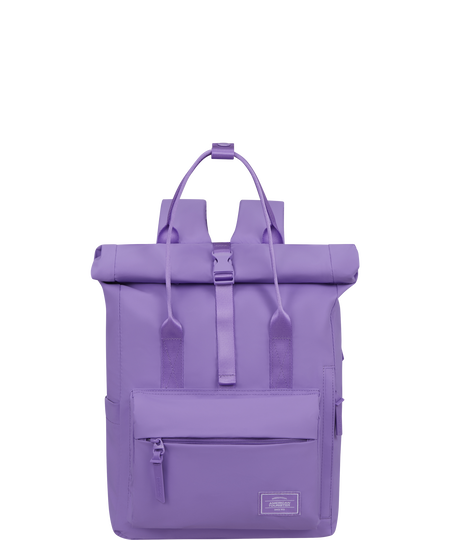
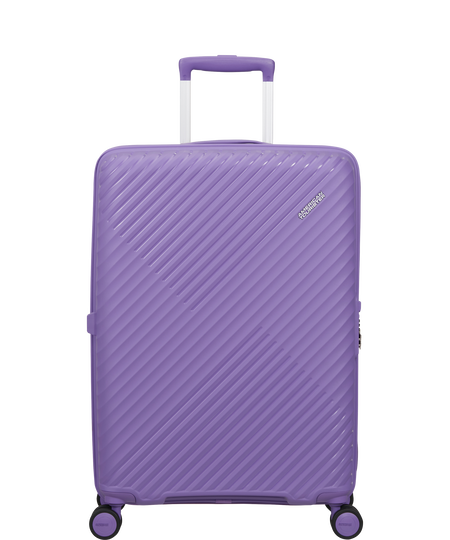
Travel Essentials for Your Europe Trip